Theme 01 · WRT (2) · Writing 2 – Narrative Writing
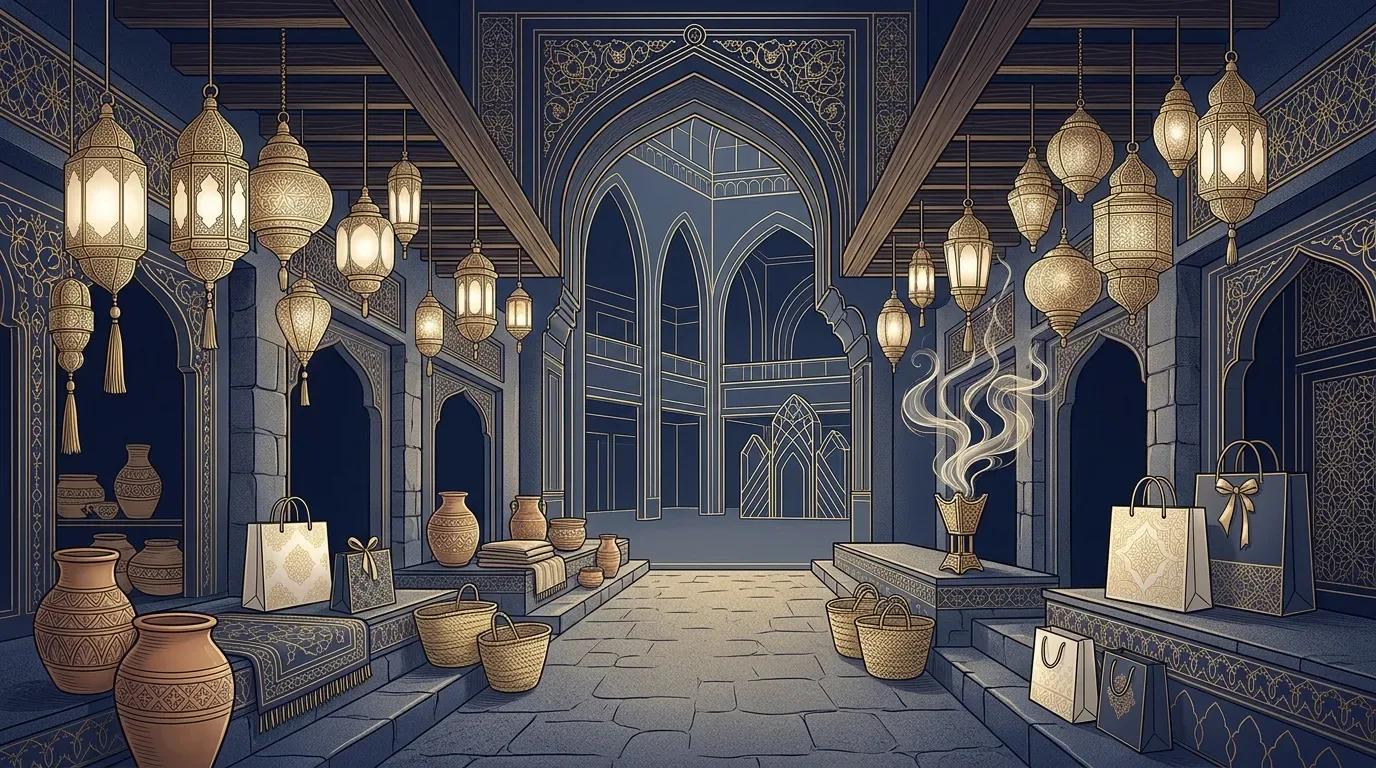
A discovery in an old market
A T. Zainab's Writing Studio topic: tell a clear, well-organised story about the past.
Plan your story
Plan the shape of your story before you write it.
- ✦Set the scene: when, where and who — and how you felt.
- ✦Build up: what happened first, step by step.
- ✦Problem: the surprise, difficulty or decision.
- ✦Climax: the most exciting or important moment.
- ✦Ending: how it finished and what you learned.
Useful language
- It was a hot Thursday afternoon when …
- At first, everything was going well, but then …
- Suddenly, …
- I couldn't believe my eyes!
- Luckily, …
- In the end, …
- I will never forget the day when …
+Beginning · middle · end
- ›Beginning: set the scene — who, where, when.
- ›Middle: the problem or surprise, and the most exciting moment.
- ›End: how it was solved, how you felt, what you learned.
+Past Simple revision
- ›Regular: walked, stopped, tried, decided
- ›Irregular: went, saw, found, bought, paid, felt, thought
- ›Negative: I didn't know … · Question: Why did she …?
- ›Passive for effect: The shop was closed. My bag was stolen.
+Narrative expressions
- ›It all started when …
- ›I will never forget the day …
- ›To my surprise, …
- ›Without thinking, I …
- ›Looking back, I realise that …
+Time connectors
- ›First, / At first,
- ›Then, / Next, / After that,
- ›Suddenly, / All of a sudden,
- ›Meanwhile, / While …
- ›Finally, / In the end, / The next day,
+Descriptive vocabulary
- ›crowded, noisy, narrow, colourful (places)
- ›nervous, relieved, embarrassed, delighted (feelings)
- ›the smell of frankincense, the sound of bargaining (senses)
- ›glanced, rushed, whispered, hesitated (vivid verbs)